


Flat Roof vs. Pitched Roof: Which One is Right for Your Home?
5 min read
Jan 31, 2025
Compare flat and pitched roofs by cost, durability, and style. Discover which roof type suits your home’s design and climate best with Quick Roofing®.
When building or renovating a home, one of the most critical decisions you’ll make is choosing the right roof style. Flat roofs and pitched roofs each have distinct advantages and drawbacks, making it essential to understand their differences before making a decision. In this article, we’ll explore the key factors to consider when deciding between a flat roof and a pitched roof.
Understanding Flat Roof
A flat roof is a roofing system that has little to no slope, typically with a pitch of about 1-10 degrees. While they may appear completely level, they are slightly angled to allow for water drainage.
Pros of Flat Roof

- Cost-Effective – typically require fewer materials and are quicker to install, reducing overall costs.
- Modern Aesthetic – Many contemporary homes feature flat roofs, offering a sleek and minimalist design.
- Usable Space – A flat roof can be utilized for additional outdoor living space, such as a rooftop patio or garden.
- Easier Maintenance – Since flat roofs are more accessible, inspections, repairs, and installations (such as solar panels) are easier to perform.
- Versatility – Flat roofs can accommodate HVAC systems, solar panels, or even green roofing solutions.
Cons of Flat Roof
- Drainage IssuesWithout a significant slope, water can pool on the surface, leading to leaks or structural damage if not properly maintained.
- Limited LifespanFlat roofs tend to have a shorter lifespan compared to pitched roofs, often requiring replacement sooner.
- Insulation ChallengesThey are less effective at insulating a home, potentially leading to higher heating and cooling costs.
- Material LimitationsFlat roofs often require specific materials, such as rubber or PVC membranes, which may need more frequent maintenance.
Understanding Pitched Roof
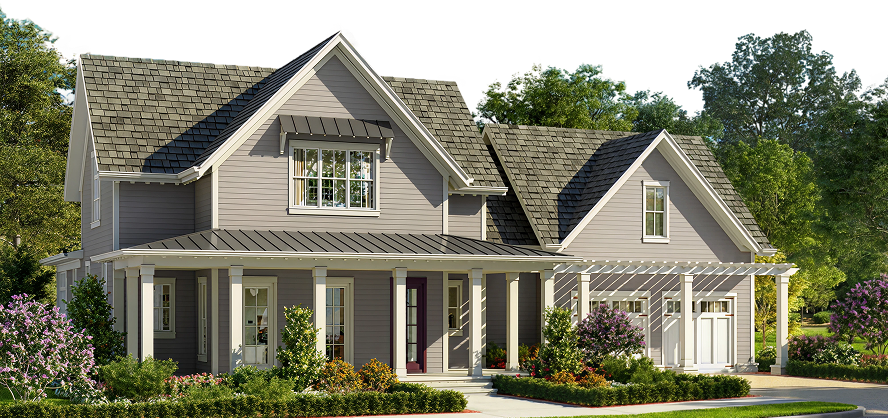
A pitched roof features a steep slope, typically with two or more sides meeting at a peak. This traditional roofing style is commonly seen in residential homes.
Pros of Pitched Roof

- Superior Drainage
The slope allows water, snow, and debris to run off easily, reducing the risk of leaks.
- Longevity
Pitched roofs often last longer than flat roofs due to their durability and weather resistance.
- Energy Efficiency
The structure allows for better insulation, improving energy efficiency and lowering utility costs.
- Classic Appeal
Pitched roofs have a timeless aesthetic, blending well with various architectural styles.
- Increased Attic Space
Many pitched roofs create additional attic space, which can be used for storage or converted into living areas.
- Higher Property Value
Due to their durability and classic look, homes with pitched roofs often have higher resale value.
Cons of Pitched Roof
- Higher Cost
The complexity of pitched roofs requires more materials and labor, making them more expensive upfront.
- Difficult Maintenance
Due to the steep incline, maintenance and repairs can be challenging and may require professional help.
- Limited Design Flexibility
Unlike flat roofs, pitched roofs are not ideal for additional outdoor spaces like rooftop gardens.
- Longer Installation Time
Pitched roofs take longer to install, which could extend the construction timeline of a home.
Choosing the Right Roof for Your Home
When deciding between a flat roof and a pitched roof, consider the following factors:
Climate & Weather Conditions
- If you live in an area with heavy rain or snowfall, a pitched roof is preferable for efficient drainage.
- Flat roofs are more common in dry, warm climates where water accumulation is less of a concern.
- In hurricane-prone areas, pitched roofs with proper reinforcements may withstand extreme winds better than flat roofs.
Budget
- If cost is a primary concern, a flat roof is generally more affordable in terms of materials and installation.
- However, while pitched roofs have a higher initial cost, they often provide better long-term value due to their durability and longevity.
- Consider future maintenance costs when budgeting, as flat roofs may require more frequent repairs.
Aesthetic Preference
- Flat roofs suit modern and minimalist designs, whereas pitched roofs complement traditional and classic home styles.
- Some homeowners prefer the dramatic look of a steeply pitched roof, while others enjoy the clean lines of a flat roof.
Usage & Functionality
- If you envision an outdoor entertainment space or a green roof, a flat roof offers more usability.
- If insulation, longevity, and weather resistance are priorities, a pitched roof is the better option.
- Pitched roofs provide extra attic storage or the possibility of additional living space.
Resale Value
- Pitched roofs generally add more value to a home due to their durability and classic appeal.
- Flat roofs, while stylish and modern, may require a niche market of buyers looking for contemporary homes.
Which Roof Style is Best for You?
Both flat roofs and pitched roofs offer unique benefits, and the right choice depends on your specific needs, budget, and environmental conditions. Flat roofs provide cost savings and modern appeal, while pitched roofs excel in durability, insulation, and drainage.
If you’re still unsure about which roofing option is best for your home, Quick Roofing® is here to help! Our expert team can assess your needs and provide professional guidance to ensure you make the best decision for your home’s structure and long-term value. Contact us today for a consultation!
Table of contents
Get In Touch With Us

Resent posts


Play video
What Do You Get
Trusted. Experienced.
Trusted. Experienced.
Elite.
-
7-Year Workmanship Warranty
-
2 Years Warranty for New Construction
From humble beginnings, Jeff Quick founded Quick Roofing® in 1984 with just one opportunity - roofing a single home. That first project launched what became 300,000+ roof installations over four decades. Our focus on new construction, restoration, and repairs, combined with manufacturer-backed warranties up to 25 years, ensures homeowner protection. We maintain stable, experienced crews with decades-long relationships. Our refined processes make roof replacement as easy as possible for you.
-
100%
honest inspection and consultation upfront
-
300,000
successfully completed projects
-
100%
insured, bonded
and licensed -
A+
rating with Better Business Bureau
Let's Talk About Your Roof
CallbackYour roof protects your most valuable investment. Our free professional inspection reveals its true condition, helping you make informed decisions about maintenance or replacement.
Drop Us A Message
3 REASONS TO
Schedule a Free Roof Inspection
-
1
Know the condition of your roof
-
2
Assess if any damage exists
-
3
Protect your home from pests

Fill out the form and we'll get back to you ASAP.
Trusted by 85 Accreditations


