


11 Popular Roof Types - Your Complete Guide to Choosing the Right Design
13 min read
Oct 2, 2025
Compare 11 roof styles including gable, hip, and flat roofs. Learn which design fits your home’s style, climate, and budget with Quick Roofing® experts.
Selecting the right roof types for your property represents one of the most significant architectural and financial decisions you’ll make. The roof protects your home from weather elements, influences energy efficiency, determines maintenance requirements, and dramatically impacts curb appeal and property value.
With over 41 years of experience installing more than 165,000 roofs across Texas and multiple states, Quick Roofing® has worked with virtually every roof configuration available. Our expertise spans residential homes, commercial buildings, and custom properties, giving us comprehensive knowledge of how different roof designs perform in various climates and applications.
This guide examines 11 distinct roof shape types, exploring their characteristics, advantages, limitations, and ideal applications. Whether you’re building a new home, replacing an existing roof, or evaluating options for a commercial property, understanding these configurations will help you make an informed decision that balances aesthetics, functionality, and budget.
Understanding Roof Design Fundamentals
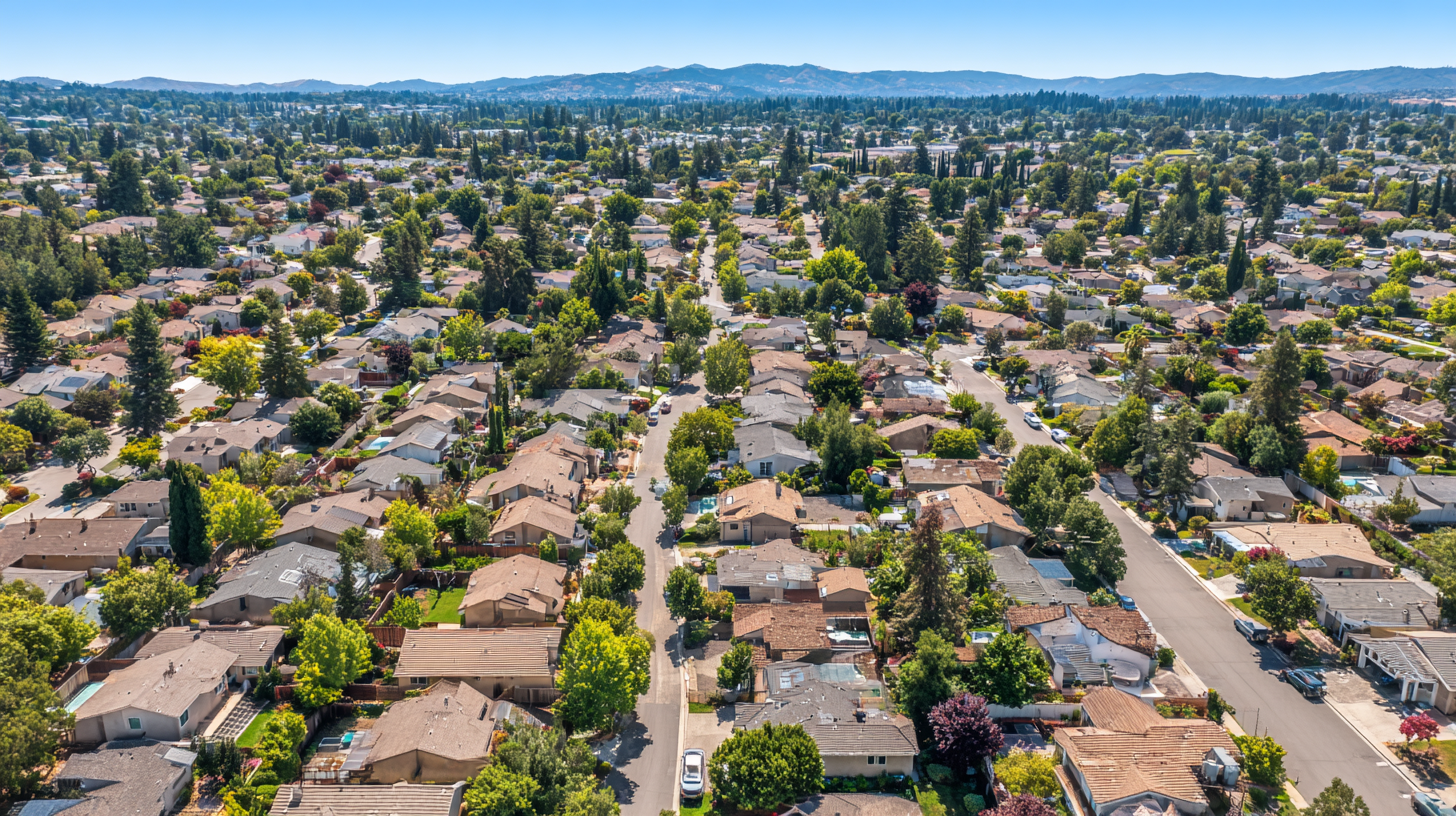
Before exploring specific types of roof shapes, it’s essential to understand the factors that influence roof design selection. Climate conditions significantly impact performance—areas with heavy snowfall require steeper pitches for snow shedding, while hurricane-prone regions need configurations that resist wind uplift. Architectural style compatibility ensures the roof complements your building’s overall design. Budget considerations include both initial installation costs and long-term maintenance expenses. Structural requirements determine what your building can support, and local building codes may restrict certain designs.
Key factors when evaluating roof types names include:
- Climate Compatibility – How well the design handles local weather patterns including rain, snow, wind, and temperature extremes
- Maintenance Requirements – Frequency and cost of inspections, repairs, and cleaning
- Lifespan Expectations – How long the roof will perform before requiring replacement
- Energy Efficiency – Impact on heating and cooling costs through insulation and ventilation capabilities
- Usable Space – Whether the design allows for attic storage or living space conversion
- Water Drainage – How effectively the configuration channels water away from the structure
- Installation Complexity – Skills and time required, which directly affect labor costs
- Material Compatibility – Which roofing materials work best with the design
- Resale Value Impact – How the roof style affects property marketability and value
Comprehensive Comparison of 11 Roof Designs
|
Roof Type |
Pitch/Slope |
Cost Range |
Best Climate |
Durability |
Maintenance |
Attic Space |
Complexity |
|
Gable |
Moderate to Steep |
$$ |
Rain/Snow |
Good |
Low |
Excellent |
Low |
|
Hip |
Moderate to Steep |
$$$ |
Wind/Hurricane |
Excellent |
Low |
Good |
Moderate |
|
Pyramid |
Moderate to Steep |
$$$$ |
Wind/All |
Excellent |
Low |
Limited |
High |
|
Gambrel |
Dual Slope (Steep/Moderate) |
$$$ |
Moderate |
Good |
Moderate |
Maximum |
Moderate |
|
Mansard |
Dual Slope (Steep/Low) |
$$$$ |
Moderate |
Good |
High |
Maximum |
High |
|
A-Frame |
Very Steep |
$$ |
Heavy Snow |
Good |
Low |
Minimal |
Low |
|
Flat |
Minimal Slope |
$ |
Dry/Mild |
Fair |
High |
None |
Low |
|
Skillion |
Single Slope |
$$ |
Rain |
Good |
Low |
Variable |
Low |
|
Dome |
Curved |
All/Extreme |
Excellent |
Low |
Limited |
Very High |
|
|
Jerkinhead |
Modified Gable |
$$$$ |
Wind/All |
Excellent |
Low |
Good |
High |
|
Curved |
Arched |
Wind/All |
Excellent |
Moderate |
Variable |
Very High |
*Cost Range: $ = 5,000-8,000 | $$ = 8,000-12,000 | $$$ = 12,000-18,000 | $$$$ = 18,000-25,000
1. Gable Roofs
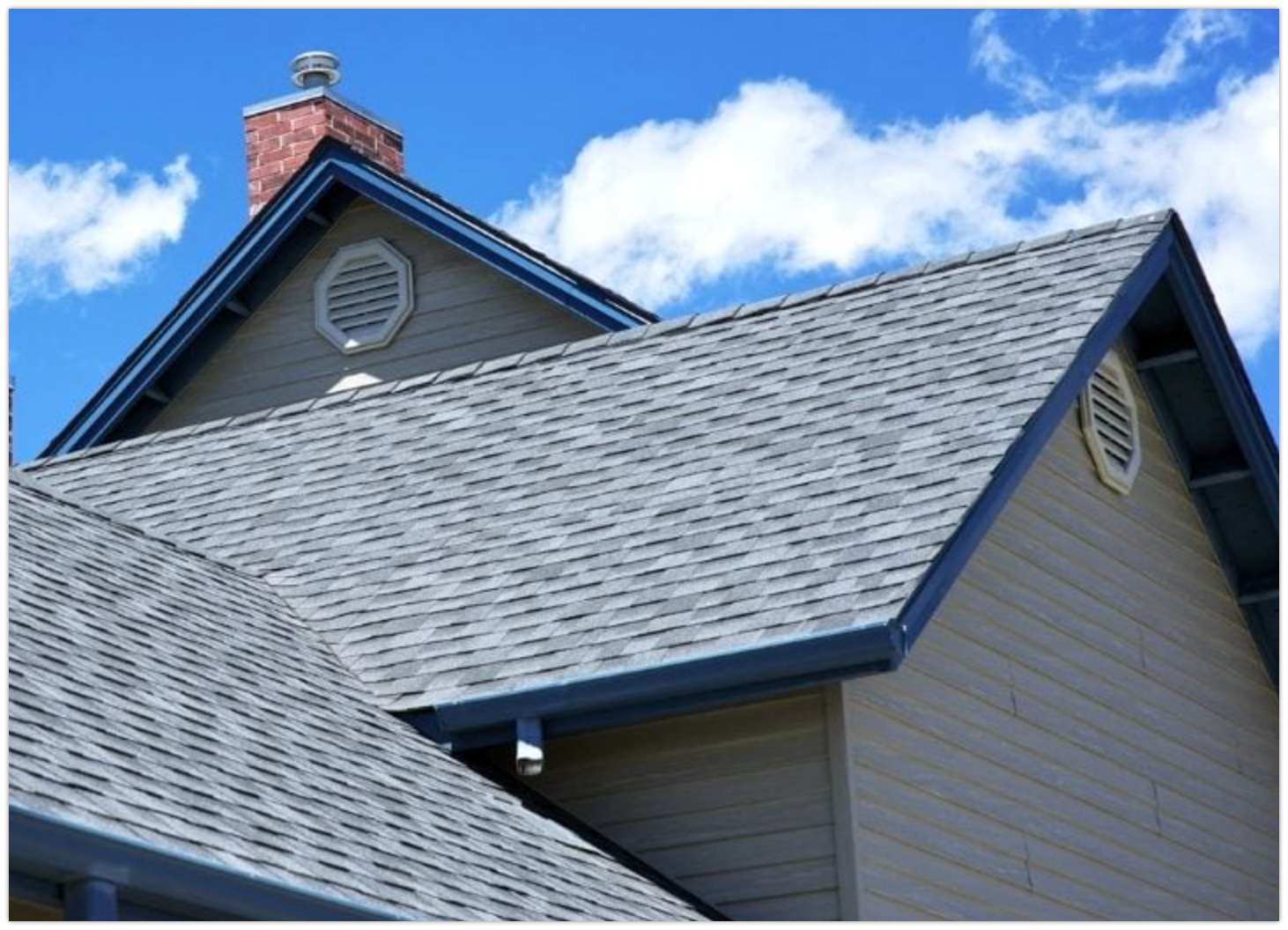
Gable roofs feature two sloping sides that meet at a central ridge, creating the iconic triangular shape recognized as the quintessential American home profile. This timeless design dominates residential neighborhoods throughout the United States for excellent reasons.
Advantages
Simple construction methodology keeps installation costs reasonable while providing excellent water and snow shedding capabilities. The steep pitch prevents accumulation, reducing stress on structural components. Generous attic space allows for storage or conversion to living areas. Ventilation is naturally efficient due to the design. Wide material compatibility means you can choose from asphalt shingles, metal, tile, or slate.
Limitations
Open gable ends present vulnerabilities in high-wind situations. Without proper bracing and construction techniques, strong winds can create uplift forces that damage or even remove the roof. Hurricane-prone regions require additional reinforcement measures.
Best Applications
Gable roofs excel in regions with significant rainfall or snowfall but moderate wind conditions. They complement traditional, colonial, craftsman, and ranch-style homes beautifully.
Quick Roofing® has installed thousands of gable roofs across Texas and surrounding states, utilizing advanced installation techniques that enhance wind resistance while maintaining the cost-effectiveness this design offers.
2. Hip Roofs

Hip roofs feature four sloping sides that all meet at a central ridge or peak, with no vertical ends. This configuration creates exceptional structural stability that outperforms gable designs in wind resistance.
Advantages
The aerodynamic profile significantly reduces wind uplift forces, making hip roofs the preferred choice in hurricane and tornado-prone areas. All sides slope downward, providing consistent water drainage from every direction. Structural stability is enhanced because the design is self-bracing. The uniform appearance offers sophisticated curb appeal that increases property values.
Limitations
Complex construction requires more materials and skilled labor, which typically increases installation costs by 15-20% compared to gable roofs. The reduced attic space compared to gable designs may limit storage or conversion options.
Best Applications
Coastal properties, high-wind regions, and areas with unpredictable weather patterns benefit most from hip roof configurations. They complement Mediterranean, prairie, ranch, and modern architectural styles.
As an Owens Corning Platinum Preferred Contractor, Quick Roofing® specializes in hip roof installations that meet the stringent wind resistance requirements of hurricane-prone regions while maintaining architectural integrity.
3. Pyramid Roofs

Pyramid roofs are a specialized variation of hip roofs, where all four sides slope equally to converge at a single central point rather than at a ridge. This creates the distinctive pyramid silhouette that commands attention.
Advantages
Maximum wind resistance results from the aerodynamic geometry with no vulnerable edges or peaks. Equal weight distribution across all four walls provides superior structural stability. The distinctive appearance creates memorable architectural character. Excellent for small square or polygonal structures.
Limitations
Limited to square or near-square building footprints. Complex construction requires advanced carpentry skills and precise measurements. Minimal attic space makes storage or conversion impractical. Higher costs due to complexity.
Best Applications
Gazebos, pool houses, small cottages, observation towers, and architectural accent structures. Works beautifully in exposed locations where wind resistance is paramount.
4. Gambrel Roofs

Gambrel roofs feature two distinct slopes on each side—a steep lower slope and a gentler upper slope. This barn-style configuration is instantly recognizable and highly functional.
Advantages
Maximum usable attic space is the primary benefit, with nearly vertical lower slopes creating full-height walls for the upper floor. Simple framing with just two main beams per side reduces construction complexity. The distinctive appearance provides strong character. This is excellent for properties requiring additional living or storage space within the roof structure.
Limitations
The large flat wall areas created by the steep lower slopes are vulnerable to wind damage in hurricane or tornado conditions. Heavy snow loads can stress the lower slope sections. It may not complement all architectural styles.
Best Applications
Barns, sheds, garages, Dutch Colonial homes, and properties where maximizing upper-floor space is essential. Popular in rural and agricultural settings.
5. Mansard Roofs
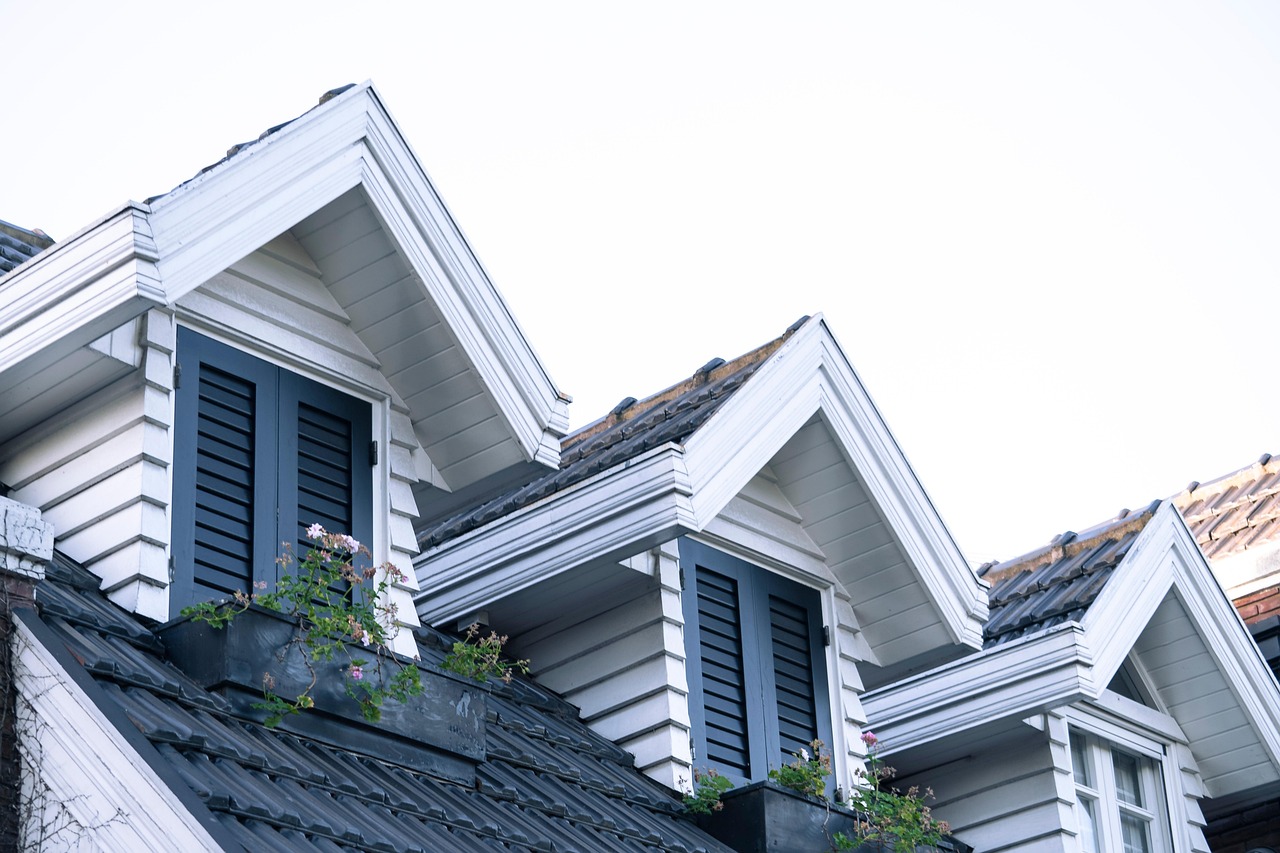
Mansard roofs, also called French roofs, feature double slopes on all four sides—a steep lower slope and a gentle upper slope. This creates an additional full story within the roof structure.
Advantages
Maximum interior space allows for complete upper-floor rooms with standard ceiling heights. Distinctive French architectural character enhances curb appeal and property values. Dormer windows can be easily integrated. There is excellent space efficiency in urban settings with height restrictions.
Limitations
Complex construction significantly increases costs. The lower, gentle slopes can accumulate snow and require more maintenance. Multiple slope transitions create vulnerable points for water infiltration if not properly flashed. Higher maintenance requirements than simpler designs.
Best Applications
Urban townhouses, luxury homes, French or Victorian architectural styles, and properties where maximizing living space is essential.
6. A-Frame Roofs

A-frame roofs extend from the foundation to the peak, creating a distinctive triangular profile where the roof serves as the walls. This bold design makes powerful architectural statements.
Advantages
Extremely efficient snow shedding due to steep slopes—snow slides off rather than accumulating. Strong wind resistance from the aerodynamic profile. Cost-effective construction with dual-purpose roof/wall structure. Dramatic interior spaces with cathedral ceilings. Minimal maintenance requirements.
Limitations
Limited floor plan flexibility due to sloping walls. Reduced usable square footage on upper floors. Challenging furniture placement against angled walls. Can be difficult to expand or modify.
Best Applications
Mountain cabins, vacation homes, ski chalets, and properties in heavy snowfall regions. Works beautifully in scenic locations where dramatic architecture enhances the setting.
7. Flat Roofs
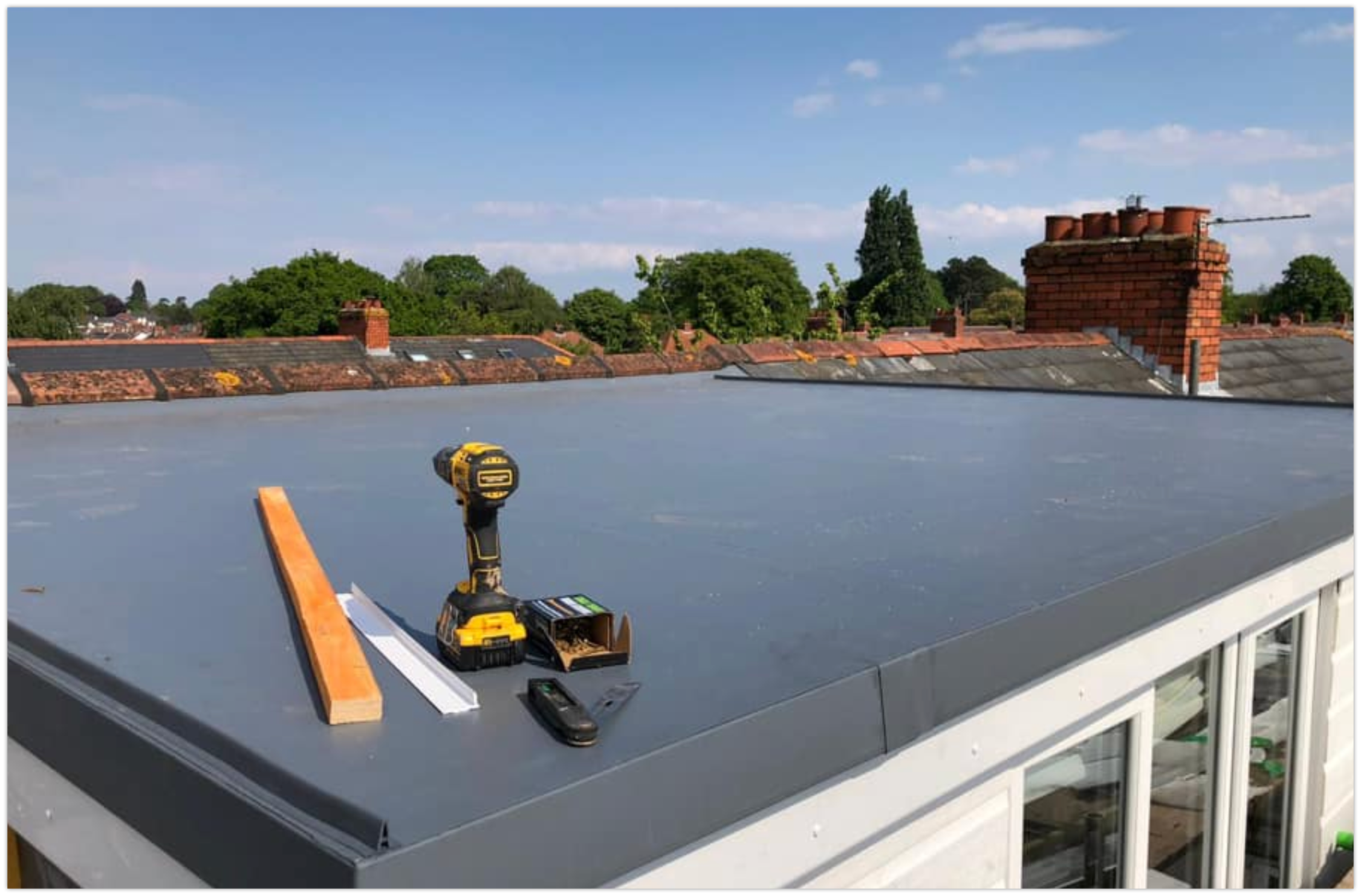
Despite the name, flat roofs actually incorporate a slight slope (typically 1-5 degrees) for water drainage. This configuration dominates commercial construction and increasingly appears in modern residential roof types.
Advantages
Maximum usable rooftop space for HVAC equipment, solar panels, or rooftop gardens. Lower initial construction costs due to a simple design. Easy access for maintenance and equipment servicing. Contemporary aesthetic suits modern architecture. Additional outdoor living space potential.
Limitations
Higher maintenance requirements due to water drainage challenges. Shorter lifespan compared to sloped designs—typically 15-25 years versus 25-50+ years. Prone to ponding water if drainage is inadequate. Limited insulation options can affect energy efficiency. Requires more frequent inspections.
Best Applications
Commercial buildings, modern homes, urban properties, and buildings where rooftop access or equipment placement is essential.
Quick Roofing® specializes in flat roof systems using premium materials from Versico, Carlisle, Firestone, and other leading manufacturers, backed by our comprehensive warranty protection.
8. Skillion Roofs

Skillion roofs, also called shed roofs, feature a single sloping plane without any ridge or peak. This minimalist design has gained popularity in modern architecture.
Advantages
Simple, cost-effective construction with minimal materials. There is excellent water drainage from the steep single slope. This location is perfect for solar panel installation due to consistent orientation. This design creates opportunities for dramatic window walls on the high side. Modern aesthetic appeals to contemporary design preferences. It is easy to construct as additions to existing structures.
Limitations
Limited attic space due to a single slope. It can create ceiling height challenges on the low side. May require exceptional engineering for larger spans. It can look out of place in traditional neighborhoods.
Best Applications
Modern homes, additions, garage roofs, covered patios, and properties prioritizing solar energy collection or contemporary aesthetics.
9. Dome Roofs

Dome roofs feature continuous curved surfaces that create hemispherical or similar shapes. These specialized structures represent engineering excellence.
Advantages
Exceptional structural strength distributes loads evenly across the surface. Superior wind resistance—aerodynamic shape deflects rather than resists wind forces. It is energy efficient due to minimal surface area relative to volume. Unique architectural statement creates memorable properties. Extreme weather resistance, including earthquake,s in properly engineered designs.
Limitations
Very high construction costs due to specialized materials and expertise. Complex design requires engineering analysis. Limited material options. Difficult to integrate standard windows, doors, and building systems. May not meet local building codes in some jurisdictions.
Best Applications
Specialty buildings, observatories, planetariums, religious structures, and properties in extreme weather environments. Increasingly popular for disaster-resistant housing.
10. Jerkinhead Roofs

Jerkinhead roofs, also called clipped gable roofs, modify standard gable designs by replacing the triangular peaks with small hip sections. This hybrid approach combines the benefits of both configurations.
Advantages
Enhanced wind resistance compared to standard gables—clipped ends reduce surface area exposed to uplift forces. More stable in severe weather while retaining most gable benefits. Distinctive architectural character creates visual interest. Better than gables in hurricane zones while costing less than full hip roofs. Maintains good attic space.
Limitations
More complex construction than standard gables increases costs. Requires skilled carpentry for proper execution. The architectural style may not suit all properties.
Best Applications
Craftsman and Tudor-style homes, properties in moderate to high wind areas, and buildings where enhanced stability is desired without full hip roof costs.
11. Curved Roofs

Curved roofs feature graceful arches or barrel shapes that create flowing architectural lines. These sophisticated designs make bold contemporary statements.
Advantages
Excellent wind resistance due to aerodynamic profiles. Unique aesthetic creates signature properties. It can span large distances without interior support columns. Modern architectural appeal attracts buyers. Efficient rain shedding from continuous curves.
Limitations
Very high construction costs requiring specialized materials and expertise. Complex engineering and design requirements. Limited contractor availability with proper experience. It is challenging to install standard roofing materials—may require specialized systems. Difficult to modify or repair.
Best Applications
Contemporary homes, signature commercial buildings, architectural statement properties, and projects where unique design justifies premium costs.
Material Considerations for Different Types of Roofing
The various types of roofs on houses accommodate different roofing materials with varying degrees of suitability. Asphalt shingles work well on slopes of 4:12 or greater, making them ideal for gable, hip, pyramid, and similar designs. Metal roofing systems adapt to nearly any roof style, from flat to steep slopes, offering longevity and low maintenance. Clay and concrete tiles require slopes of 4:12 or greater and structural support for their weight—commonly used on hip, gable, and mansard designs. Slate roofing demands steep slopes and substantial structural support but delivers unmatched longevity on premium installations. Single-ply membranes (TPO, PVC, EPDM) are specifically designed for flat and low-slope applications. Wood shakes and shingles suit moderate to steep slopes but require regular maintenance and may face fire code restrictions.
Quick Roofing® maintains relationships with all major manufacturers, including Owens Corning, GAF, CertainTeed, Tamko, and others, ensuring access to premium materials suitable for any roof construction type you select.
Climate Considerations for Residential Roof Types

Regional weather patterns significantly influence the different roof styles that perform optimally. Areas with heavy snowfall benefit most from steep-slope designs (A-frame, gable, hip) that shed snow effectively, preventing dangerous accumulations. Hurricane and high-wind regions require aerodynamic configurations (hip, pyramid, dome) that resist uplift forces. Hot, sunny climates favor light-colored materials and designs that allow attic ventilation (gable with ridge vents). High rainfall areas need reliable drainage—steeper pitches or multiple slopes (hip, mansard) excel here. Tornado-prone regions should avoid large flat surfaces that create wind resistance (avoid gambrel, standard gable).
With locations spanning Texas, Colorado, Iowa, Georgia, Oklahoma, Florida, Louisiana, Tennessee, Arkansas, Nebraska, Minnesota, Alabama, and Arizona, Quick Roofing® understands how different roof types for homes perform across diverse climates.
Energy Efficiency and Roof Style Selection
The roof style you choose significantly impacts heating and cooling costs. Steep-pitched roofs allow for generous attic insulation and natural ventilation, reducing temperature transfer. Flat roofs offer excellent opportunities for high R-value insulation but may experience more direct solar heat gain. Light-colored materials on any roof type minimize heat absorption. Designs with overhangs (gable, hip) shade walls and windows, reducing cooling loads. Cathedral ceilings in A-frame designs can increase heating and cooling costs without proper insulation strategies.
Ready to Choose Your Ideal Roof Type?
Whether you’re building new construction, replacing an aging roof, or upgrading to improve your home’s performance and appearance, Quick Roofing® delivers the expertise, quality, and service you deserve. Our team has worked with virtually every roof configuration across residential and commercial applications, giving us comprehensive knowledge to guide your decision.
Get In Touch With Us

Contact Quick Roofing® today at 1 (817) 477-0999 or visit any of our locations across Texas, Colorado, Iowa, Georgia, Oklahoma, Florida, Louisiana, Tennessee, Arkansas, Nebraska, Minnesota, Alabama, and Arizona. Request your free inspection and consultation to explore which of the 11 roof types discussed in this guide best suits your property, climate, and needs. Let our 41+ years of experience and 165,000+ successful installations work for you—experience the Quick Roofing® difference where quality, integrity, and customer satisfaction have remained our foundation since 1984.
Table of contents
- Understanding Roof Design Fundamentals
- Comprehensive Comparison of 11 Roof Designs
- 1. Gable Roofs
- 2. Hip Roofs
- 3. Pyramid Roofs
- 4. Gambrel Roofs
- 5. Mansard Roofs
- 6. A-Frame Roofs
- 7. Flat Roofs
- 8. Skillion Roofs
- 9. Dome Roofs
- 10. Jerkinhead Roofs
- 11. Curved Roofs
- Material Considerations for Different Types of Roofing
- Climate Considerations for Residential Roof Types
- Energy Efficiency and Roof Style Selection
- Ready to Choose Your Ideal Roof Type?
Get In Touch With Us


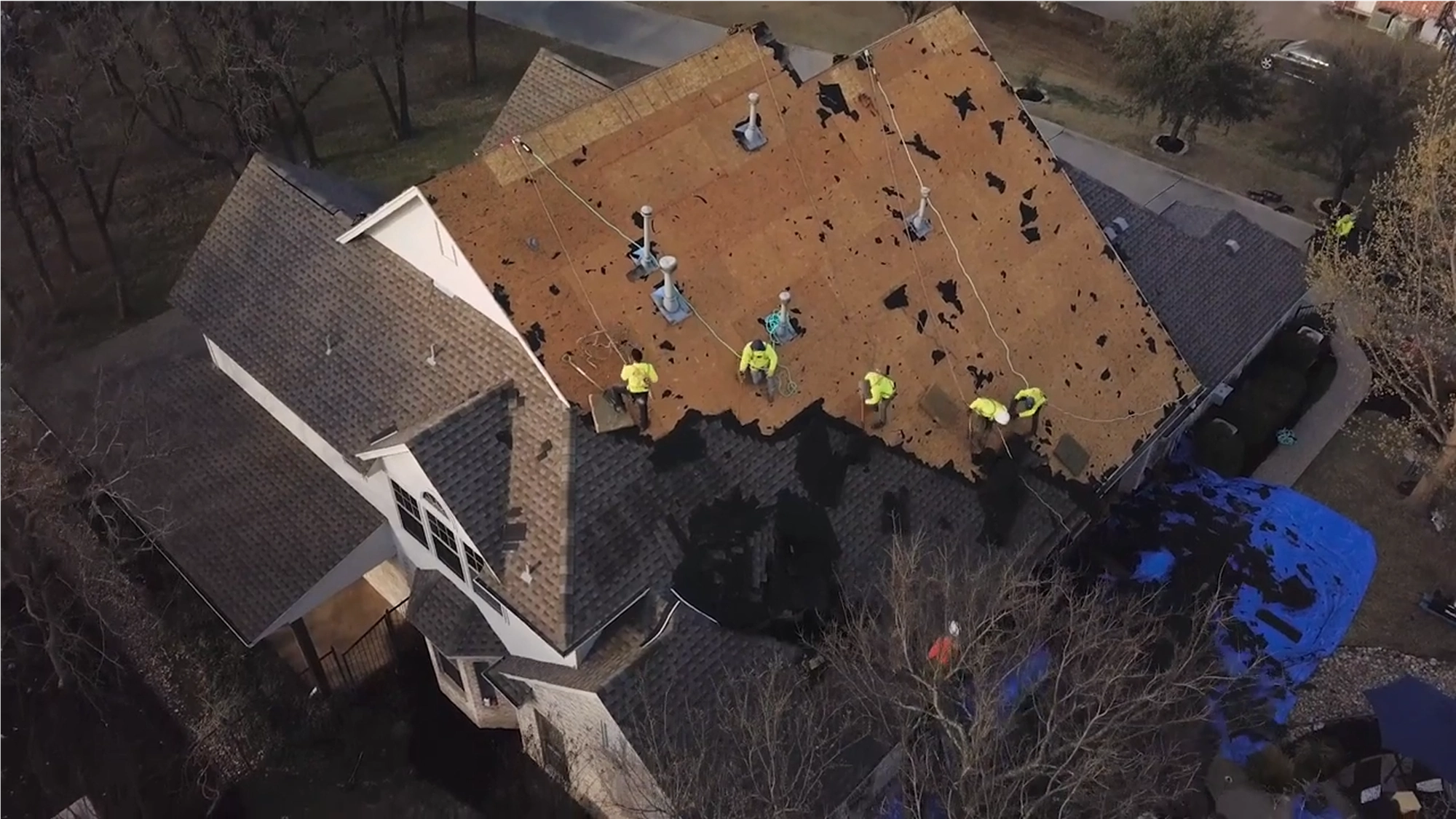
Play video
What Do You Get
Trusted. Experienced.
Trusted. Experienced.
Elite.
-
7-Year Workmanship Warranty
-
2 Years Warranty for New Construction
From humble beginnings, Jeff Quick founded Quick Roofing® in 1984 with just one opportunity - roofing a single home. That first project launched what became 300,000+ roof installations over four decades. Our focus on new construction, restoration, and repairs, combined with manufacturer-backed warranties up to 25 years, ensures homeowner protection. We maintain stable, experienced crews with decades-long relationships. Our refined processes make roof replacement as easy as possible for you.
-
100%
honest inspection and consultation upfront
-
300,000
successfully completed projects
-
100%
insured, bonded
and licensed -
A+
rating with Better Business Bureau
Let's Talk About Your Roof
CallbackYour roof protects your most valuable investment. Our free professional inspection reveals its true condition, helping you make informed decisions about maintenance or replacement.
Drop Us A Message
3 REASONS TO
Schedule a Free Roof Inspection
-
1
Know the condition of your roof
-
2
Assess if any damage exists
-
3
Protect your home from pests
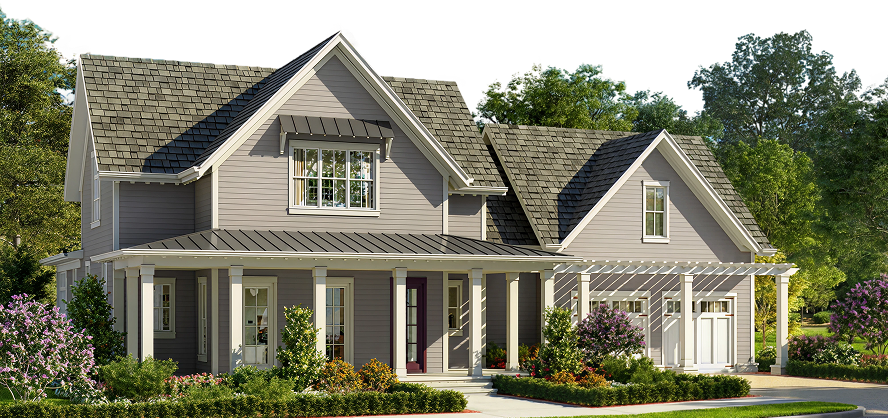

Fill out the form and we'll get back to you ASAP.
Trusted by 85 Accreditations


