

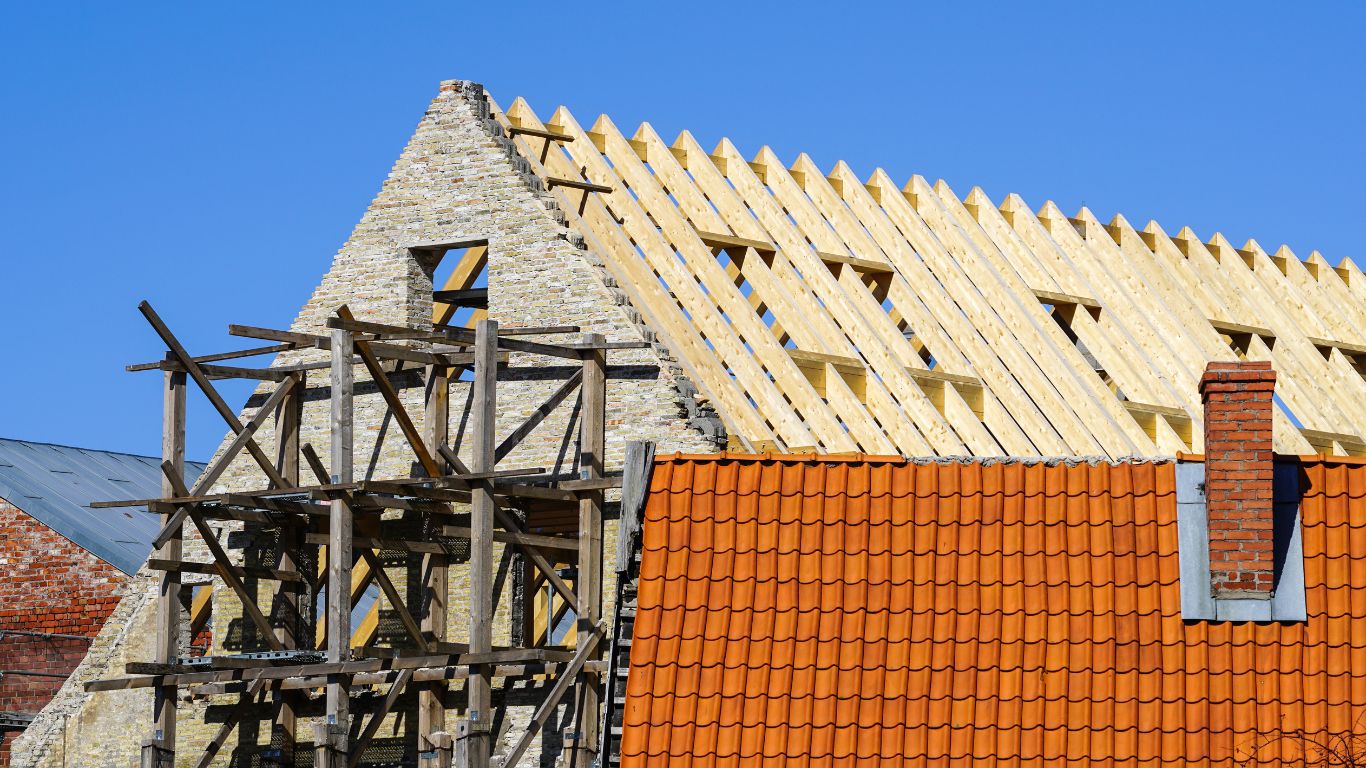
Navigating Roof Replacement: Costs, Materials, and Frequency
6 min read
Feb 29, 2024
From asphalt shingles to metal roofs, explore the best roofing options, lifespan expectations, and cost breakdowns with Quick Roofing®’s expert guidance.
Roof replacement is a significant investment for homeowners, essential for maintaining the integrity and safety of their property. Understanding the intricacies of this process, including costs, materials, and frequency, is crucial for making informed decisions. In this guide, we will explore the essentials of roof replacement to help you navigate this important home improvement project.
Roof Replacement: Understanding the Basics
Roof replacement involves removing the existing roofing materials and installing new ones in their place. This becomes necessary when the current roof is damaged beyond repair or nearing the end of its lifespan. Timely replacement is vital to safeguarding your home against leaks, water damage, and other structural issues.
Factors Affecting Roof Replacement Costs
When planning for a roof replacement project, understanding the several factors that contribute to the overall cost is essential. Several key considerations can significantly influence the expenses involved:
A. Roof Size and Complexity
- The size of your roof is one of the most significant determinants of replacement costs. Larger roofs naturally require more materials and labor, leading to higher expenses.
- Additionally, the complexity of your roof’s design can impact costs. Intricate features like multiple angles, dormers, and detailed architecture can complicate installation, demanding more time and labor from roofing professionals.
B. Choice of Materials
- The type of roofing material you choose plays a significant role in determining the overall cost of your replacement project.
- Asphalt shingles are among the most affordable options, making them a popular choice for budget-conscious homeowners. However, higher-end asphalt shingles or specialty materials may come at a higher price point.
- Metal roofing costs more initially compared to asphalt shingles but provides superior longevity and durability, potentially leading to long-term savings.
- Materials like tile or wood shakes can vary in cost due to factors like quality, availability, and regional preferences.
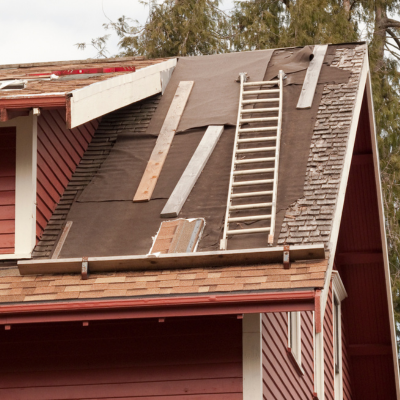
C. Roof Accessibility
- The accessibility of your roof can affect the complexity of the installation process and, consequently, the overall cost.
- Steep slopes, multiple levels, and obstacles like chimneys or skylights can pose challenges, making roofing installation more time-consuming for contractors.
- In some cases, additional equipment or safety measures may be required to ensure the safety of workers, adding to the project’s expenses.
D. Additional Features
Extra features incorporated into your roof, such as skylights, chimneys, or ventilation systems, can also impact the overall cost of replacement.
Each additional feature adds complexity to the installation process, requiring careful integration with the new roofing materials.
Moreover, if any existing features need repair or modification during the replacement process, it can contribute to the total cost of the project.
Exploring Roof Replacement Materials
Choosing the right roofing material is crucial for durability, aesthetics, and budget considerations:
- Asphalt Shingles:
Affordable and versatile, asphalt shingles are the most common choice among homeowners. They come in assorted colors and styles, offering both durability and aesthetic appeal at a reasonable cost.
- Metal Roofing:
Known for its longevity and weather resistance, metal roofing is gaining popularity in residential applications. While the initial investment may be higher, metal roofs often outlast other materials, making them a cost-effective choice eventually.
- Tile:
Clay or concrete tiles lend a distinctive look to homes and provide excellent durability. However, they can be heavy and may require additional structural support, impacting overall costs.
- Wood Shakes:
Wood shakes offer a rustic charm and natural beauty. However, they require regular maintenance to prevent issues such as rot and insect infestation, adding to the long-term cost of ownership.
Frequency of Roof Replacement
Understanding how often you should replace your roof is crucial for maintaining the structural integrity and longevity of your home. While the lifespan of a roof varies depending on factors such as materials, climate, and maintenance practices, there are some general guidelines to consider:
A. Lifespan of Different Roofing Materials
- Asphalt Shingles:
Asphalt shingle roofs typically last between 15 to 30 years, depending on the quality of materials and installation, as well as environmental factors such as exposure to sunlight, temperature fluctuations, and severe weather conditions.
- Metal Roofing:
Metal roofs are known for their exceptional durability and longevity, with lifespans ranging from 40 to 70 years or more. Proper installation and maintenance can help maximize the lifespan of a metal roof, making it a long-term investment for homeowners.
- Tile:
Clay or concrete tile roofs are renowned for their longevity, with lifespans of 50 years or more when properly maintained. However, it is essential to ensure that the roof structure can support the weight of tile materials, as improper installation or inadequate support can lead to premature failure.
- Wood Shakes:
Wood shake roofs typically have a lifespan of 20 to 40 years, depending on factors such as wood quality, climate, and maintenance. Regular inspection and maintenance, including treatments to prevent rot and insect infestation, can help extend the lifespan of wood shake roofs.
B. Factors Influencing Roof Longevity
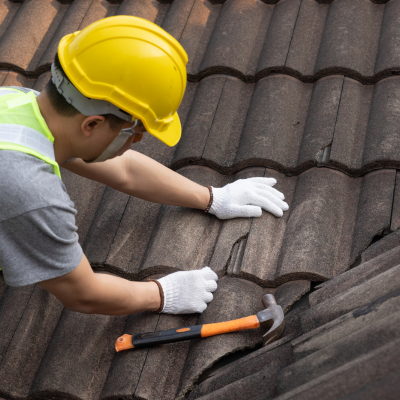
- Climate:
The climate in which your home is located plays a significant role in determining the lifespan of your roof. Exposure to extreme temperatures, high winds, heavy rainfall, snow, and ice can accelerate wear and tear on roofing materials, necessitating more frequent replacements in harsher climates.
- Maintenance:
Regular maintenance, including inspections, repairs, and cleaning of gutters and debris, is essential for prolonging the lifespan of your roof. Promptly addressing issues such as damaged shingles, leaks, and water damage can prevent minor problems from escalating into costly repairs or premature replacements.
- Installation Quality:
The quality of installation plays a critical role in the longevity of your roof. Proper installation techniques, adherence to manufacturer guidelines, and attention to detail ensure that your roof performs optimally and withstands the test of time.
C. General Guidelines for Roof Replacement Frequency
- While the lifespan of a roof is a crucial factor in determining when to replace it, other signs may indicate that replacement is necessary. These signs include widespread damage, frequent leaks, missing or damaged shingles, sagging or uneven roof lines, and excessive granule loss on asphalt shingles.
- Additionally, if your roof is nearing the end of its expected lifespan, it is prudent to start planning for replacement to avoid unexpected failures and minimize the risk of water damage to your home’s interior.
Ready to Replace Your Roof?
If you are considering roof repair or replacement, Quick Roofing® is here to help. With our expert team, top-quality materials, and competitive pricing, we ensure a hassle-free experience and lasting results. Don’t wait until issues worsen – contact us today for a consultation and secure your home’s safety and value.
Table of contents
Get In Touch With Us

Resent posts


Play video
What Do You Get
Trusted. Experienced.
Trusted. Experienced.
Elite.
-
7-Year Workmanship Warranty
-
2 Years Warranty for New Construction
From humble beginnings, Jeff Quick founded Quick Roofing® in 1984 with just one opportunity - roofing a single home. That first project launched what became 300,000+ roof installations over four decades. Our focus on new construction, restoration, and repairs, combined with manufacturer-backed warranties up to 25 years, ensures homeowner protection. We maintain stable, experienced crews with decades-long relationships. Our refined processes make roof replacement as easy as possible for you.
-
100%
honest inspection and consultation upfront
-
300,000
successfully completed projects
-
100%
insured, bonded
and licensed -
A+
rating with Better Business Bureau
Let's Talk About Your Roof
CallbackYour roof protects your most valuable investment. Our free professional inspection reveals its true condition, helping you make informed decisions about maintenance or replacement.
Drop Us A Message
3 REASONS TO
Schedule a Free Roof Inspection
-
1
Know the condition of your roof
-
2
Assess if any damage exists
-
3
Protect your home from pests

Fill out the form and we'll get back to you ASAP.
Trusted by 85 Accreditations


